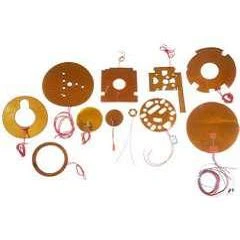
Hey there! As a supplier of industry heaters, I often get asked if our heaters can be used for mold heating in manufacturing. Well, the short answer is yes! But let's dive deeper into this topic to understand why and how industry heaters are a great fit for mold heating.
Why Industry Heaters for Mold Heating?
First off, let's talk about what mold heating is all about. In manufacturing, molds are used to shape materials like plastics, metals, and composites. To ensure that these materials flow properly and take the desired shape, the molds need to be heated to specific temperatures. This is where industry heaters come in handy.
Industry heaters are designed to provide consistent and precise heat, which is crucial for mold heating. They can be customized to meet the specific requirements of different molds, such as size, shape, and heating capacity. Whether you're working with small, intricate molds or large, industrial-scale ones, there's an industry heater that can do the job.
Another advantage of using industry heaters for mold heating is their energy efficiency. Many of our heaters are equipped with advanced heating technologies that minimize energy consumption while maximizing heat output. This not only helps to reduce your operating costs but also makes your manufacturing process more environmentally friendly.
Types of Industry Heaters for Mold Heating
There are several types of industry heaters that can be used for mold heating, each with its own unique features and benefits. Let's take a look at some of the most common ones:
- Flexible Heater: A Flexible Heater is a versatile option that can be easily customized to fit the shape of your mold. It can be wrapped around the mold or placed inside it, providing uniform heat distribution. Flexible heaters are often used in applications where space is limited or where the mold has a complex shape.
- Resistance Heater: Resistance Heaters work by converting electrical energy into heat. They are known for their high efficiency and reliability, making them a popular choice for mold heating. Resistance heaters can be installed directly into the mold or used in a heating jacket to provide external heat.
- Immersion Heater: An Immersion Heater is designed to be submerged in a liquid, such as oil or water, to heat it up. This type of heater is often used in applications where the mold needs to be heated indirectly. Immersion heaters can provide rapid and uniform heating, making them ideal for large molds or high-volume production.
Considerations for Using Industry Heaters in Mold Heating
While industry heaters are a great option for mold heating, there are a few things you need to consider before making a purchase. Here are some key factors to keep in mind:


- Temperature Requirements: Different molds require different temperatures to ensure proper material flow and shaping. Make sure you choose a heater that can reach and maintain the desired temperature range.
- Heating Capacity: The heating capacity of the heater should be sufficient to heat the mold and the material inside it. Consider the size and weight of the mold, as well as the production volume, when selecting a heater.
- Safety Features: Safety is always a top priority in manufacturing. Look for heaters that are equipped with safety features such as overheat protection, temperature control, and grounding.
- Installation and Maintenance: Make sure the heater is easy to install and maintain. Consider factors such as access to power, ventilation, and cleaning requirements.
How to Choose the Right Industry Heater for Your Mold Heating Needs
Choosing the right industry heater for your mold heating needs can be a daunting task, but it doesn't have to be. Here are some steps you can follow to make the process easier:
- Determine Your Requirements: Start by understanding your specific mold heating requirements, such as temperature range, heating capacity, and safety features.
- Research Different Types of Heaters: Learn about the different types of industry heaters available and their features and benefits. Consider factors such as flexibility, efficiency, and reliability.
- Compare Brands and Models: Once you have a better understanding of the different types of heaters, compare brands and models to find the one that best meets your needs and budget.
- Read Reviews and Testimonials: Look for reviews and testimonials from other manufacturers who have used the heaters you're considering. This can give you valuable insights into the performance and reliability of the products.
- Consult with an Expert: If you're still unsure which heater is right for you, consult with an expert in the field. They can provide you with personalized advice and recommendations based on your specific requirements.
Conclusion
In conclusion, industry heaters can definitely be used for mold heating in manufacturing. They offer a range of benefits, including consistent and precise heat, energy efficiency, and customization options. By choosing the right type of heater and following the proper installation and maintenance procedures, you can ensure that your mold heating process is efficient, reliable, and cost-effective.
If you're interested in learning more about our industry heaters or have any questions about mold heating, please don't hesitate to contact us. We'd be happy to help you find the right solution for your manufacturing needs. Let's work together to take your mold heating process to the next level!
References
- "Industrial Heaters: A Comprehensive Guide." Industrial Heating Magazine.
- "Mold Heating and Cooling Systems." Plastics Technology.
- "Choosing the Right Heater for Your Application." Process Heating.