What is the thermal insulation performance of industry heaters?
As a supplier of industrial heaters, I often receive inquiries about the thermal insulation performance of our products. Thermal insulation is a critical factor in the efficiency and effectiveness of industrial heaters, as it directly impacts energy consumption, operating costs, and the overall safety of the heating process. In this blog post, I will delve into the concept of thermal insulation performance in industrial heaters, exploring the factors that influence it and the benefits it brings.
Understanding Thermal Insulation
Thermal insulation refers to the ability of a material or a system to resist the flow of heat. In the context of industrial heaters, thermal insulation is crucial for minimizing heat loss from the heater to the surrounding environment. When a heater is operating, it generates heat to raise the temperature of a substance or a space. Without proper insulation, a significant amount of this heat can escape, leading to wasted energy and increased operating costs.
The effectiveness of thermal insulation is measured by its thermal conductivity, which is a property that describes how easily heat can pass through a material. The lower the thermal conductivity of a material, the better its insulating properties. Common insulating materials used in industrial heaters include fiberglass, mineral wool, ceramic fiber, and foam insulation. These materials have low thermal conductivities and can effectively reduce heat transfer.
Factors Affecting Thermal Insulation Performance
Several factors can influence the thermal insulation performance of industrial heaters. Understanding these factors is essential for optimizing the design and operation of the heaters to achieve maximum energy efficiency.
Insulation Material
As mentioned earlier, the choice of insulation material plays a crucial role in determining the thermal insulation performance of a heater. Different materials have different thermal conductivities, densities, and temperature limits. For example, fiberglass insulation is a popular choice due to its low cost, good thermal insulation properties, and ease of installation. However, it may not be suitable for high-temperature applications. Ceramic fiber insulation, on the other hand, can withstand much higher temperatures but is more expensive.
Insulation Thickness
The thickness of the insulation also affects its performance. Generally, the thicker the insulation, the lower the heat loss. However, there is a point of diminishing returns, where increasing the thickness further does not result in a proportional reduction in heat loss. The optimal insulation thickness depends on factors such as the operating temperature of the heater, the type of insulation material used, and the cost of insulation.
Installation Quality
Proper installation of the insulation is essential for achieving good thermal insulation performance. Any gaps or voids in the insulation can allow heat to escape, reducing the effectiveness of the insulation. The insulation should be installed tightly and securely around the heater, and all joints and seams should be sealed properly.
Operating Conditions
The operating conditions of the heater, such as the temperature, pressure, and environment, can also impact the thermal insulation performance. High temperatures can cause the insulation material to degrade over time, reducing its insulating properties. Exposure to moisture or chemicals can also damage the insulation and lead to increased heat loss.
Benefits of Good Thermal Insulation Performance
Investing in industrial heaters with good thermal insulation performance offers several benefits for businesses.
Energy Savings
One of the most significant benefits of good thermal insulation is energy savings. By reducing heat loss, the heater can operate more efficiently, using less energy to achieve the desired temperature. This can result in significant cost savings on energy bills, especially for large industrial heaters that operate continuously.
Reduced Operating Costs
In addition to energy savings, good thermal insulation can also reduce other operating costs. For example, by reducing heat loss, the heater can maintain a more stable temperature, which can extend the lifespan of the heater and reduce the need for maintenance and repairs.
Improved Safety
Proper thermal insulation can also improve the safety of the heating process. By reducing the surface temperature of the heater, it can prevent burns and other injuries to operators. Additionally, it can reduce the risk of fire and explosion by minimizing the heat transfer to flammable materials in the vicinity.
Environmental Sustainability
Using industrial heaters with good thermal insulation performance is also beneficial for the environment. By reducing energy consumption, it can help to lower greenhouse gas emissions and contribute to a more sustainable future.


Types of Industry Heaters and Their Thermal Insulation
There are several types of industrial heaters, each with its own unique design and thermal insulation requirements. Here are some common types of industrial heaters and how thermal insulation is applied to them:
Flexible Heater
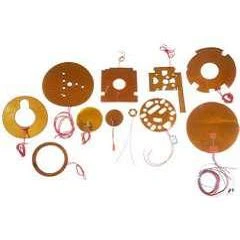
Flexible heaters are designed to conform to irregular surfaces and are commonly used in applications where precise heating is required. Flexible Heater typically have a thin layer of insulation to reduce heat loss and improve energy efficiency. The insulation material used is often a flexible, heat-resistant foam or film that can be easily wrapped around the heating element.
Immersion Heater
Immersion heaters are used to heat liquids by directly immersing the heating element in the liquid. Immersion Heater are often insulated to prevent heat loss to the surrounding environment. The insulation can be applied to the outside of the heater or integrated into the design of the heater. In some cases, the immersion heater may be placed inside a sealed chamber with insulation to further improve its thermal performance.
Resistance Heater
Resistance heaters work by converting electrical energy into heat through the resistance of a heating element. Resistance Heater can be used in a variety of applications, including industrial ovens, furnaces, and process heating systems. These heaters are typically insulated with high-temperature insulation materials, such as ceramic fiber or refractory bricks, to minimize heat loss and maintain high operating temperatures.
Ensuring Optimal Thermal Insulation Performance
To ensure optimal thermal insulation performance in industrial heaters, it is important to take a comprehensive approach that includes proper design, installation, and maintenance. Here are some tips:
- Choose the Right Insulation Material: Select an insulation material that is suitable for the operating temperature and environment of the heater. Consider factors such as thermal conductivity, density, and chemical resistance.
- Optimize Insulation Thickness: Determine the optimal insulation thickness based on the heater's design and operating conditions. Consult with a thermal insulation expert if necessary.
- Ensure Proper Installation: Hire a professional installer to ensure that the insulation is installed correctly. Pay attention to details such as joint sealing and fastening.
- Regular Maintenance: Inspect the insulation regularly for signs of damage or wear. Replace any damaged insulation promptly to maintain good thermal insulation performance.
Conclusion
Thermal insulation performance is a critical aspect of industrial heaters that directly impacts energy efficiency, operating costs, and safety. By understanding the factors that affect thermal insulation performance and taking appropriate measures to optimize it, businesses can enjoy significant benefits, including energy savings, reduced operating costs, and improved environmental sustainability. As a supplier of industrial heaters, we are committed to providing high-quality products with excellent thermal insulation performance. If you are interested in learning more about our industrial heaters or have any questions about thermal insulation, please feel free to contact us for procurement and further discussions.
References
- "Industrial Heating Equipment: Principles, Designs and Operations" by B. G. Subba Rao
- "Heat Transfer in Industrial Processes" by Donald Q. Kern
- "Thermal Insulation Handbook" by John C. Salyer